
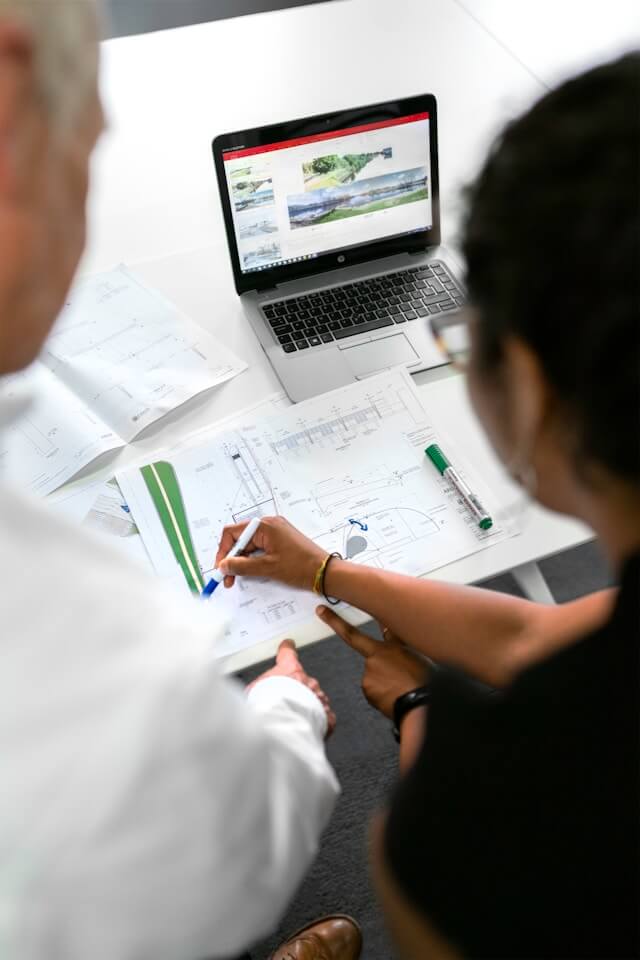
In many projects, building systems such as data networks, communications, security, and automation are planned and installed separately. While this may appear efficient at the start, it often leads to challenges later—poor coordination, limited scalability, and increased maintenance complexity.
Integrated system design helps avoid these issues by treating infrastructure as a connected ecosystem, not a collection of independent components.
The Cost of Disconnected Systems
When systems are designed in isolation, common problems include:
-
Cable pathways that conflict with other services
-
Network limitations that restrict future upgrades
-
Inconsistent documentation and unclear handover
-
Higher long-term maintenance and troubleshooting costs
These issues usually surface after occupancy—when changes are more expensive and disruptive.
Why Integration Matters From the Start
An integrated approach aligns infrastructure planning with real site conditions and operational requirements. It allows systems to be:
-
Properly coordinated across trades
-
Designed with future expansion in mind
-
Installed and documented consistently
-
Easier to manage over the building’s lifecycle
This results in more reliable performance and smoother long-term operation.
Our Role in Integrated Infrastructure Delivery
Our work begins early—understanding project goals, site constraints, and operational needs. We coordinate closely with developers, consultants, and contractors throughout implementation to ensure systems work together as intended.
Rather than focusing only on installation, we emphasize:
-
Clean, structured execution
-
Clear labeling and documentation
-
Organized system handover and post-installation support
The goal is infrastructure that performs reliably long after project completion.
Thinking Long Term
Well-designed building systems are not just about today’s requirements. They are about adaptability, maintainability, and long-term performance within real-world environments.
An integrated approach helps ensure that infrastructure continues to support operations as buildings, technologies, and user needs evolve.